
The Role of Loans in Driving Inflation: How Borrowing Impacts Prices
Inflation is one of the key indicators of an economy’s health. It reflects the general rise in prices of goods and services over time. While factors like supply shortages, fuel prices, and global events are often discussed, loans and credit play a critical yet often overlooked role in shaping inflation.
Loans are more than just money borrowed from banks—they are a powerful tool that can increase spending, boost demand, and influence asset prices. Understanding this connection helps individuals, businesses, and policymakers navigate economic challenges effectively.

How loans influence inflation
At its core, inflation occurs when demand exceeds supply. Loans affect this balance by increasing the amount of money available for spending. When people and businesses borrow, they gain the ability to spend beyond their current income. If spending grows faster than the production of goods and services, prices rise, creating inflation.
1. Loans increase money in circulation 💸
Banks create money when they issue loans. Unlike withdrawing cash from a vault, lending adds new money into the economy.
For example:
Home loans increase funds in the housing market
Car loans put money into the automobile sector
Business loans allow companies to hire, buy machinery, and invest
As this money circulates, it boosts demand for goods and services. If production cannot keep pace, prices rise.
2. Low-interest loans stimulate spending 📈
Interest rates determine how affordable loans are. When rates are low:
People buy more houses, vehicles, and electronics
Businesses expand and invest more
Consumers prefer spending over saving
This rise in borrowing increases demand for goods and services. If supply cannot match this demand, prices naturally rise, leading to demand-pull inflation.
3. Loans can inflate asset prices 🏠📊
Loans not only affect everyday goods but also assets such as property, stocks, and commercial land.
Home loans → higher property prices
Margin loans → rising stock market values
Business loans → more expensive land and machinery
This is called asset inflation. Even if food and daily essentials remain stable, asset prices can soar due to easy credit, impacting wealth distribution and affordability.
4. Excessive lending can overheat the economy 🔥
When banks lend aggressively:
Businesses hire more workers and raise wages
People feel wealthier and spend more
Demand for raw materials rises
Higher production costs are often passed to consumers, creating cost-push inflation.
Unchecked lending can thus overheat the economy, making goods and services significantly more expensive.
5. Central banks control inflation through loans 🚦
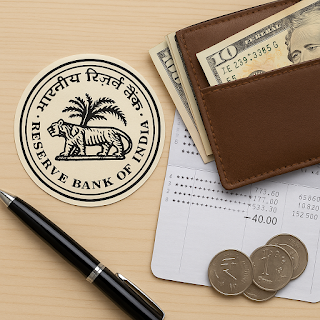
To manage inflation, central banks like the Reserve Bank of India (RBI) regulate loans and interest rates.
High inflation: RBI raises interest rates → loans become expensive → borrowing and spending slow → demand reduces → prices stabilize
Low inflation: RBI cuts interest rates → loans become cheaper → borrowing increases → economic activity rises
This delicate balancing act keeps prices stable while supporting economic growth.
6. Not all loans cause inflation ❗
The impact of loans depends on how the borrowed money is used.
Loans for production, technology, infrastructure, and agriculture increase supply, which can control inflation
Loans used mainly for consumption increase demand without adding supply, leading to inflation
Thus, the purpose of borrowing is key in determining whether loans fuel or curb inflation.
7. A simple example 🧠
Imagine a city with 100 houses.
Banks start offering cheap home loans
200 people want to buy these 100 houses
Prices rise because demand exceeds supply
Here, inflation occurs not because new houses were built, but because loans increased purchasing power, driving up demand.
Summary Table 🧾
| Situation | Effect on Inflation |
|---|---|
| Easy and cheap loans | Inflation rises |
| Excessive lending | Economy overheats |
| Loans for consumption | Prices rise |
| Loans for production | Inflation controlled |
| High interest rates | Inflation falls |
Conclusion: Loans and Inflation – Striking a Balance
Loans are essential for economic growth. They create jobs, fund businesses, and increase purchasing power. However, uncontrolled borrowing can drive prices up, inflate assets, and destabilize the economy.
Loans affect inflation by influencing money supply, spending, and demand. Responsible lending supports growth, while excessive or consumption-driven borrowing pushes prices higher.
The key lies in balance: enough credit to fuel growth, but not so much that prices spiral out of control.


Comments
Post a Comment